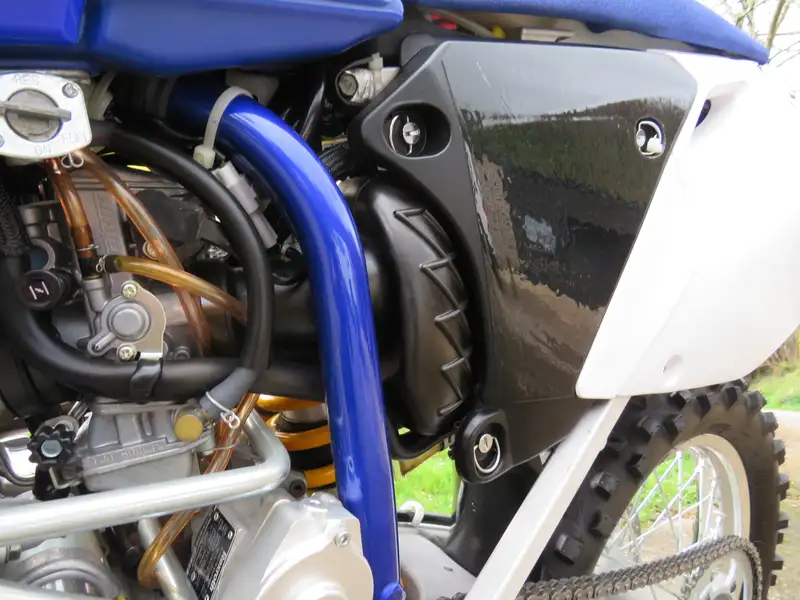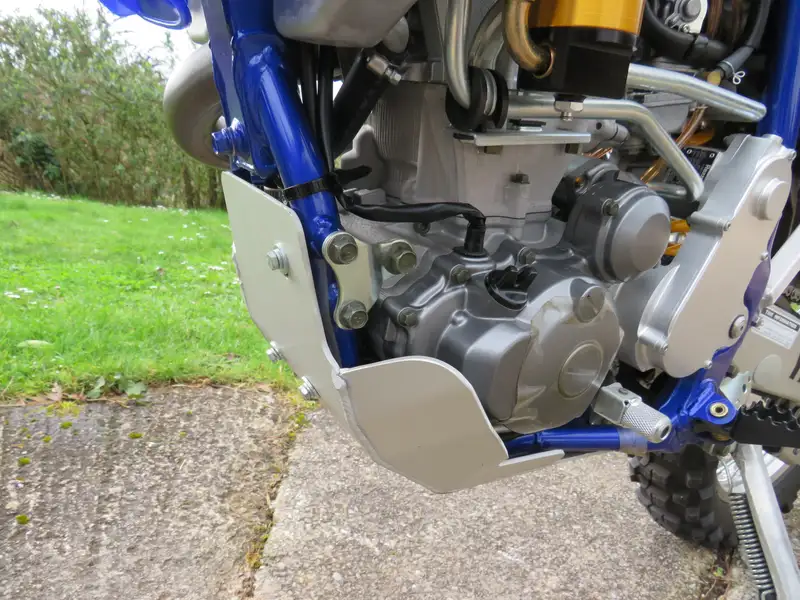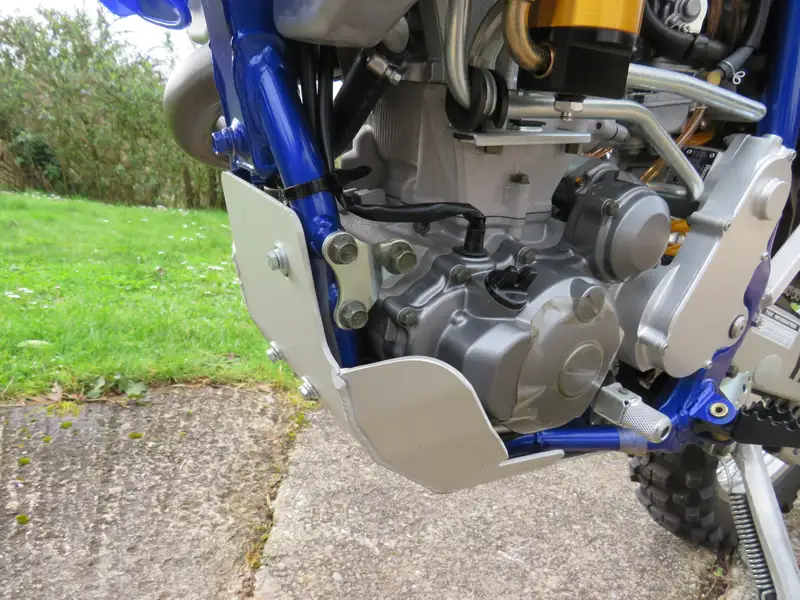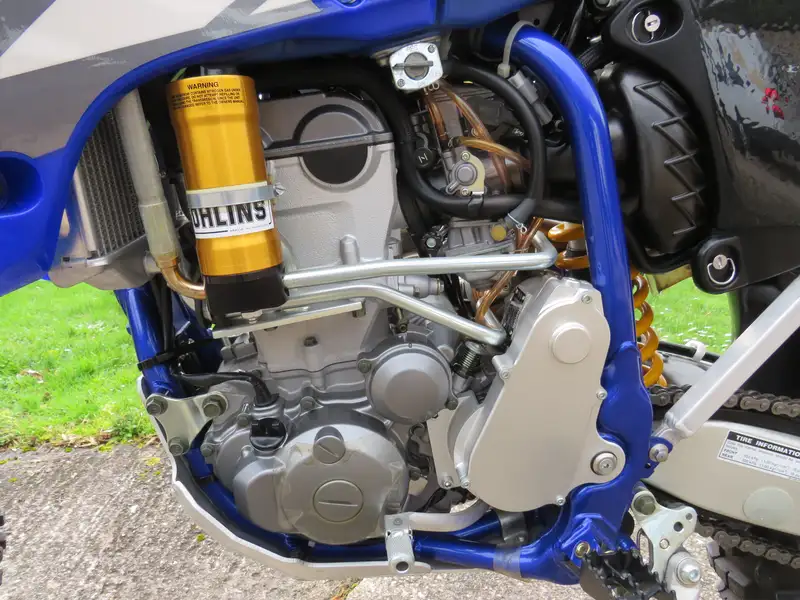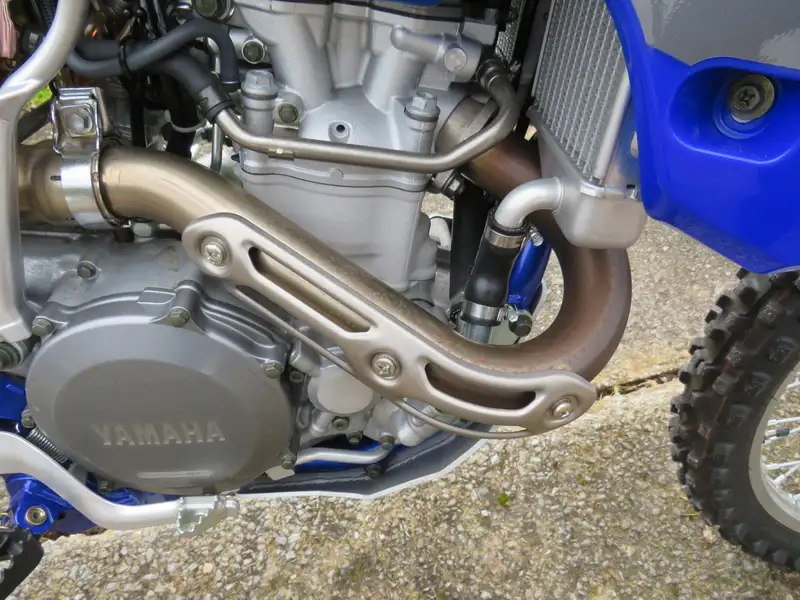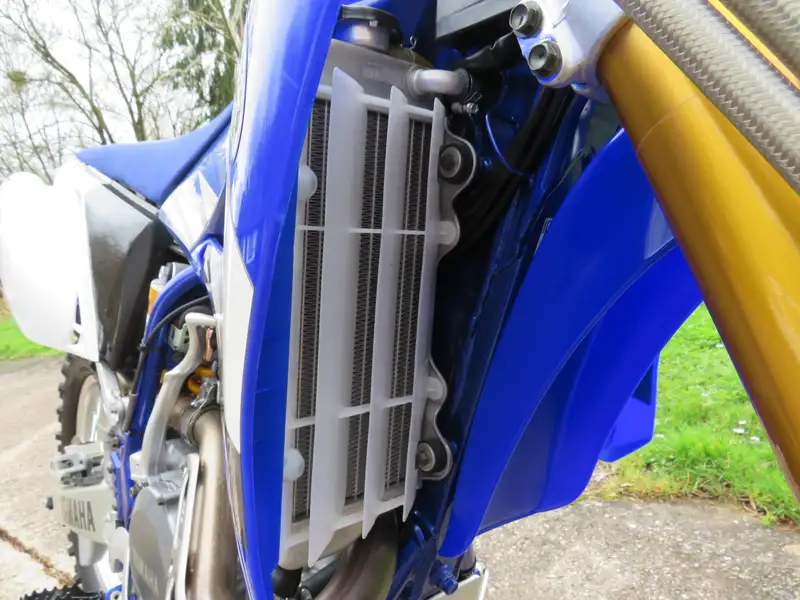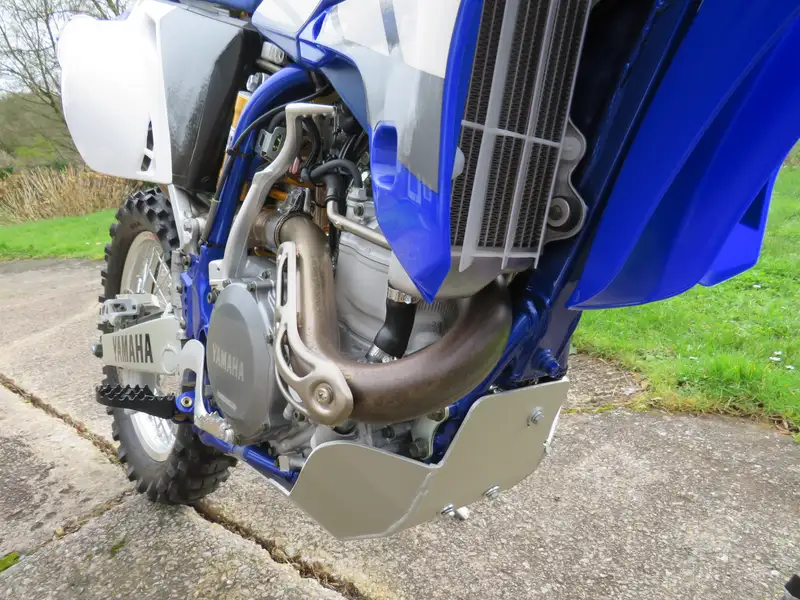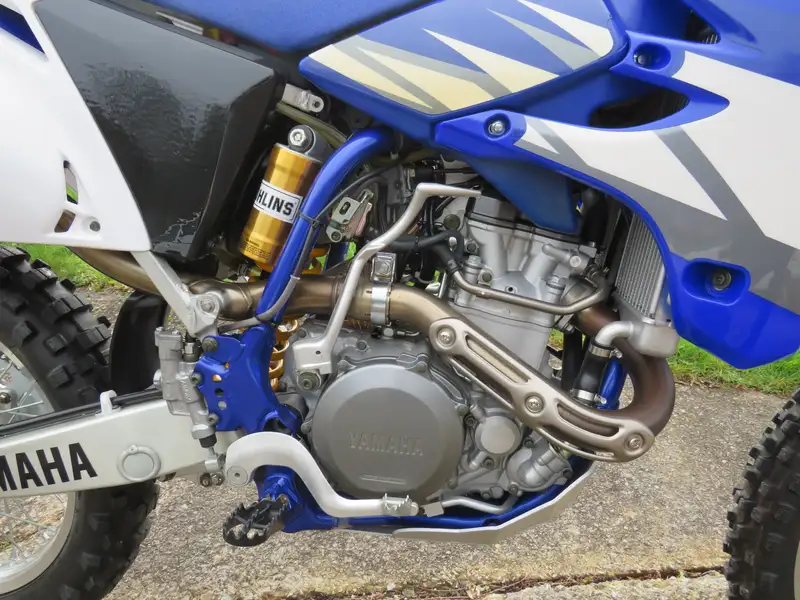

If you are researching the 2004 Yamaha WR450F, you have found one of the most respected enduro bikes Yamaha ever built. I have spent time wrenching on and riding this era of Yamaha thumper, and the 2004 model still holds up as a genuinely capable off-road machine over twenty years later. It was the second year of the WR450F platform, and Yamaha used it to refine the electric-start system that made this bike so much easier to live with than its kickstart-only predecessors.
This guide breaks down every spec that matters, from the engine internals to suspension travel, plus common problems, top speed, and which model year enthusiasts consider the best if you are cross-shopping the used market. If you are also comparing newer Yamaha off-road bikes, our 2026 Yamaha YZ250X Review: Specs and Top Speed covers how the current cross-country platform stacks up. By the end, you will know exactly what you are looking at whether you already own one or are deciding if it is worth buying.
2004 Yamaha WR450F Engine Specs
The 2004 Yamaha WR450F engine is a 449cc liquid-cooled, single-cylinder, DOHC four-stroke with 5 titanium valves, producing around 58 horsepower at 9,000 rpm and 36 lb-ft of torque at 7,000 rpm.
This engine shared its core architecture with the YZ400F motocross platform, which is part of why it earned such a strong reputation for power delivery. The titanium valves kept reciprocating weight low, letting the engine rev freely for a bike built primarily for trails and enduro racing.
Engine Specification Table
| Spec | Detail |
|---|---|
| Engine Type | Liquid-cooled, DOHC, 4-stroke, 5-valve (titanium) |
| Displacement | 449cc |
| Bore x Stroke | 95 x 63.4mm |
| Compression Ratio | 12.5:1 |
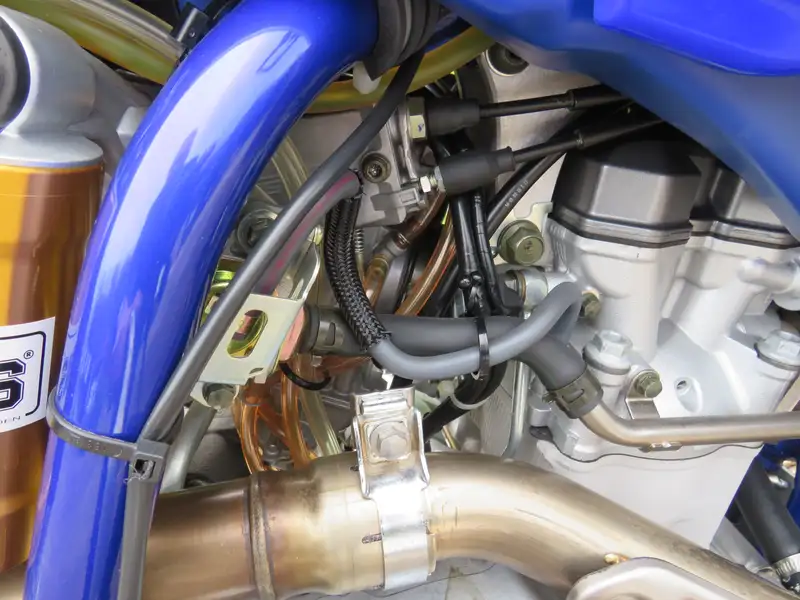
| Fuel System | 39mm Keihin FCR flat-slide carburetor w/TPS |
| Ignition | Digital CDI |
| Clutch | Wet, multi-plate |
| Transmission | Wide-ratio 5-speed |
| Final Drive | #520 O-ring chain |
| Starter | Electric |
| Horsepower | Approx. 58 hp @ 9,000 rpm |
| Torque | Approx. 36 lb-ft @ 7,000 rpm |
What Are the Engine Specs for a 2004 Yamaha WR450F?
The core engine specs for the 2004 WR450F are a 449cc displacement, a 95mm x 63.4mm bore and stroke, a 12.5:1 compression ratio, and fuel delivery through a 39mm Keihin FCR carburetor.
These numbers matter most when comparing the bike to its competitors from the same era, like the Honda CRF450X or KTM 450 EXC. The WR450F’s titanium valve train and DOHC layout gave it a performance edge that carried over almost unchanged for several model years afterward.
2004 Yamaha WR450F Dual Sport: Chassis & Suspension Specs
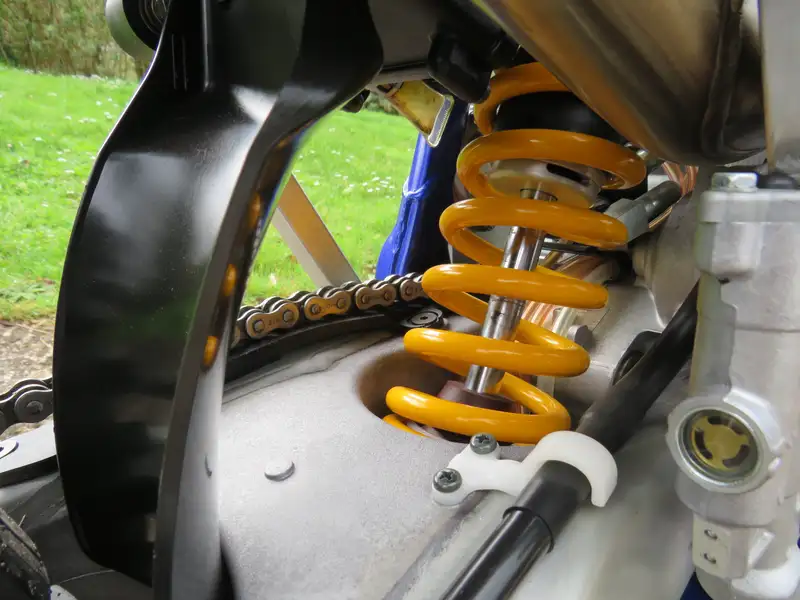
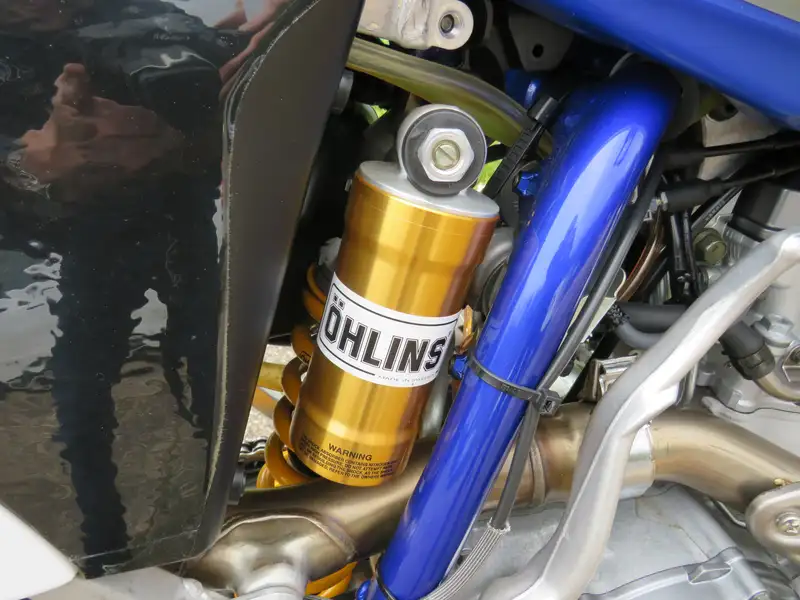
The 2004 Yamaha WR450F dual sport setup uses a 46mm Kayaba inverted fork up front with about 11.8 to 12.4 inches of travel, paired with a fully adjustable Kayaba rear shock offering roughly 12.5 inches of travel.
This suspension package is what made the WR450F such a capable trail and enduro machine. Both ends are fully adjustable for compression and rebound damping, which lets riders tune the bike for anything from tight single-track to faster open desert terrain. If you want a modern, in-stock dual sport with a similar go-anywhere spirit, our 2026 Yamaha Dual Sport TW200 is built for the same mix of trail and street riding, just with a lighter, more beginner-friendly setup.
Suspension, Brakes & Wheels Table
| Component | Specification |
|---|---|
| Front Suspension | 46mm Kayaba inverted fork, adjustable compression/rebound |
| Front Travel | ~300mm (11.8 in) |
| Rear Suspension | Kayaba single shock, fully adjustable |
| Rear Travel | ~318mm (12.5 in) |
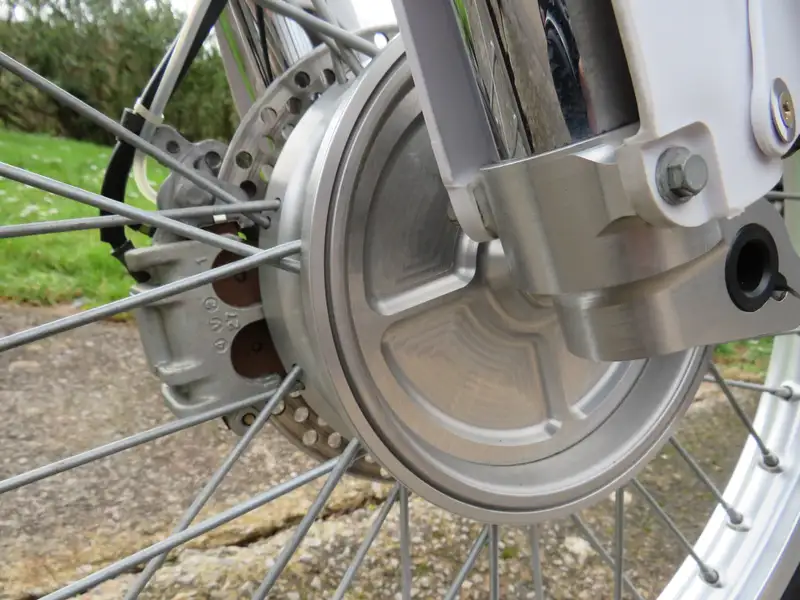
| Front Brake | 250mm floating disc, 4-piston caliper |
| Rear Brake | 245mm disc, 2-piston caliper |
| Front Tire | 80/100-21 |
| Rear Tire | 110/100-18 |
| Frame | Steel, single-cradle design |
2004 Yamaha WR450F Dual Sport Specs: Dimensions & Weight
The 2004 Yamaha WR450F weighs approximately 245 pounds dry, with a seat height of 39.2 inches, a wheelbase of 58.4 inches, and a 2.6-gallon fuel tank.
These dimensions put it firmly in enduro-bike territory rather than a full motocross build, since the taller seat height and long-travel suspension favor varied terrain over stadium-style tracks. It is a tall bike, so shorter riders should sit on one before buying if possible.
Dimensions Table
| Spec | Detail |
|---|---|
| Length | 85.4 in |
| Width | 32.5 in |
| Height | 51.2 in |
| Wheelbase | 58.4 in |
| Seat Height | 39.2 in |
| Ground Clearance | 14.6 in |
| Dry Weight | 245 lbs |
| Fuel Capacity | 2.6 gal |
| Original MSRP | $6,499 USD |
How Fast Can a WR450F Go?
A stock 2004 Yamaha WR450F tops out around 90 to 95 mph on flat ground with stock gearing, though some owners report figures closer to 100 mph depending on tuning and terrain.
Top speed varies more than most riders expect because gearing plays such a large role. Riders who swap sprockets for more top-end speed give up some low-end torque, which matters a lot on technical trails. For a bike designed around enduro and trail riding rather than straight-line speed, the WR450F’s stock gearing strikes a sensible balance.
Common Mistakes When Buying or Riding a WR450F
- Skipping a compression test before buying: A used 20-plus-year-old bike needs this check before you hand over money.
- Ignoring the air filter: A dirty filter causes stalling and hesitation during acceleration, one of the most reported issues on this platform.
- Riding it as a street bike without preparation: The engine is race-tuned and needs frequent oil changes and valve clearance checks if ridden hard on pavement.
- Neglecting the carburetor: A dirty carburetor leads to rough idling and backfiring, which is a common complaint across nearly every model year.
- Overlooking fork seal wear: Leaking front fork seals are a recurring issue on older WR450F units and worsen ride quality if ignored.
- Buying based on year alone without inspection: Even a well-regarded model year can be neglected by a previous owner, so a hands-on inspection always matters more than the spec sheet.
What Are the Common WR450F Problems?
The most common WR450F problems are engine stalling from a dirty air filter, hard starting from a dirty carburetor, clutch slippage from worn plates, brake sponginess from air in the lines, and cracked plastics from age or hard use.
- Engine stalling or hesitation: Usually traced back to a clogged air filter or debris in the fuel system.
- Hard starting or rough idle: Often caused by a dirty carburetor or blocked fuel lines.
- Clutch slippage: Worn clutch plates cause grinding noises or difficulty shifting smoothly.
- Spongy brakes: Air trapped in the brake lines reduces stopping power until bled properly.
- Cracked plastics or loose hardware: Common on bikes with age, especially if bolts are not checked regularly.
None of these issues are unusual for a dirt bike from this era. Regular maintenance, especially air filter cleaning and carburetor care, prevents most of them from becoming serious.
Tips and Best Practices for Owning a WR450F
- Clean or replace the air filter after every few rides, especially in dusty conditions.
- Change the oil regularly and use high-quality oil suited for race-style engines.
- Check valve clearance on the recommended service schedule, since this engine runs tighter tolerances than a typical street bike.
- Inspect the chain and sprockets often, and keep the chain lubricated after every ride.
- Install a skid plate if you plan to ride technical or rocky terrain regularly.
- Starting a younger rider on a smaller machine first pays off. Our 2025 Honda CRF110F Review covers a great option for building skills before stepping up to a bike as powerful as the WR450F.
Which Year of the WR450F Is Considered the Best?
Most enthusiasts consider 2012 to 2015 the best value years for a fuel-injected WR450F, while 2016 and newer models are regarded as the strongest overall performers thanks to the updated engine and EFI system.
If you prefer a simpler carbureted bike, the 2007 to 2011 years are often praised for strong low-end torque and a lighter overall feel. The 2004 model you are researching now sits earlier in the lineup, valued for its proven engine and being one of the first years with electric start, even though it predates the fuel injection upgrades that came over a decade later.
| Era | Highlights |
|---|---|
| 2003-2006 | First WR450F generation, electric start introduced, carbureted |
| 2007-2011 | New frame, detuned engine for stronger low-end torque |
| 2012-2015 | Fuel injection added, stiffer chassis, tunable EFI |
| 2016+ | New reverse-cylinder engine, most power and refinement |
Frequently Asked Questions
What are the common WR450 problems?
The most common problems are engine stalling from a dirty air filter, hard starting from carburetor buildup, clutch slippage, spongy brakes from air in the lines, and cracked plastics on older units. Regular maintenance prevents most of these from becoming serious issues.
How fast can a WR450F go?
A stock WR450F reaches roughly 90 to 95 mph on flat ground, with some riders reporting speeds closer to 100 mph depending on gearing and tuning. Stock gearing favors trail and enduro performance over outright top speed.
Which year of the WR450F is considered the best?
Most riders consider 2012 to 2015 the best value with fuel injection, while 2016 and newer models are regarded as the strongest overall performers. For carbureted simplicity, 2007 to 2011 models are often preferred for their low-end torque.
Final Verdict: Is the 2004 Yamaha WR450F Worth It?
The 2004 Yamaha WR450F remains a genuinely strong enduro bike, backed by a proven 449cc engine, fully adjustable Kayaba suspension, and a reputation that has held up for over two decades. If you find a well-maintained example, it is a capable trail machine that can still hang with much newer off-road bikes on technical terrain. Just budget for the maintenance a race-bred engine of this age requires, including regular carburetor and valve care.
If you are shopping for a dirt bike today rather than hunting the used market for a 2004 model, BMX Bike Zone carries the 2026 Yamaha Dirt Bike lineup in stock, built with modern components and none of the wear a 20-year-old carbureted bike carries. Want something closer to the WR450F’s dual sport spirit? The 2026 Yamaha Dual Sport TW200 is in stock and built for the same trail-and-street versatility. Prefer something electric with instant torque and less maintenance? The Surron Hyper Bee is one of our most popular modern off-road alternatives. Browse our full Dirt Bikes category to compare every model we stock, or contact our team if you want help finding the right bike for your riding style and budget.